
As a homeowner, protecting your roof from the impact of severe or extreme weather and hail also protects your home. Understanding how UV rays, severe winds, hail, and extreme temperatures can damage your roof helps you take proactive measures to maintain and protect it.
Regular inspections, maintenance, and repairs can help ensure that your roof is functioning effectively and protect your home from potential water damage and other issues. It is important to work with a professional roofing contractor to ensure your roof is in good condition and prepared for any severe weather conditions.
In this blog, our team of professional roofers discuss everything you need to know, including the signs of hail damage on a roof.
How Hail and Weather Impact Your Roof: The Short Answer
In Virginia, extreme weather affects your roof in several ways, and knowing what to look for helps you catch damage before it becomes serious.
UV rays fade shingles and make them brittle and prone to cracking over time, while also breaking down roof membranes in ways that let water in and reduce energy efficiency.
Severe winds can lift or tear off shingles, damage flashing around chimneys and vents, and rip away gutters and downspouts, leading to drainage problems and water damage to siding or your foundation.
Hail causes granule loss, cracks, dents, and hidden structural punctures that lead to rot in the decking and insulation if left unaddressed, and severe cases can require full roof replacement.
Extreme heat causes curling, cracking, or blistering, cold makes materials brittle and prone to cracking.
UV Rays
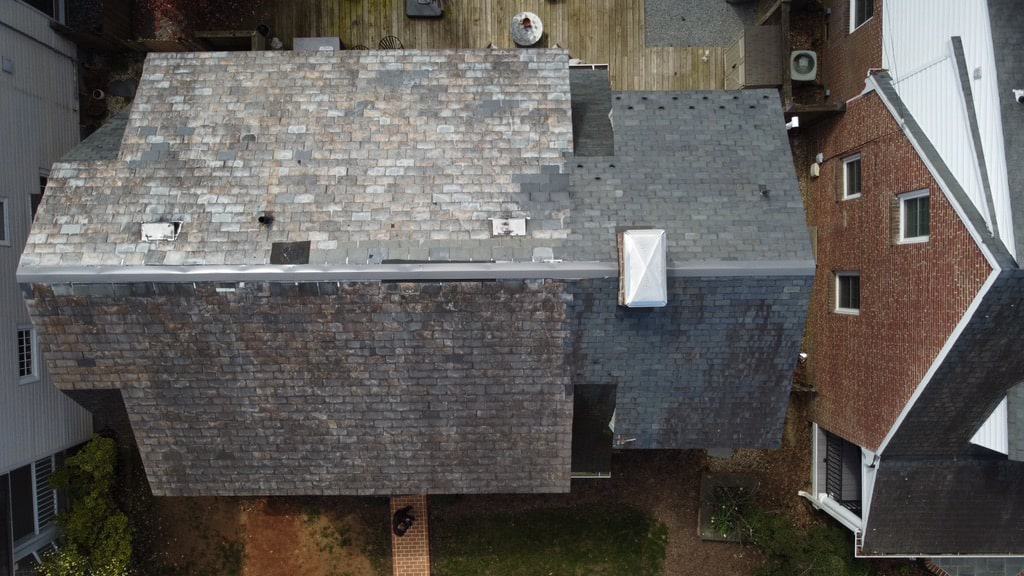
UV rays from the sun cause the most damage to a roof over time. The sun can impact the roof visually, causing the color of the shingles or roofing material to fade and discolor. UV rays can cause the shingles to become brittle and crack, which can reduce their effectiveness in protecting the roof. This can lead to premature aging and deterioration of the shingles, requiring roof repairs or replacement sooner than expected.
The sun can also degrade the roof membrane, which can lead to water infiltration and damage to the structure. UV rays can also impact the energy efficiency of the roof. In fact, a flat roof gets about 1000 watts of sunlight per square meter. That is a LOT of energy.
Severe Winds
Severe winds can have a significant impact on a roof. The high winds can cause shingles to lift or become completely torn off, exposing the underlayment and creating an entry point for water. This can lead to water damage and mold growth inside the home, as well as compromise the structural integrity of the roof.
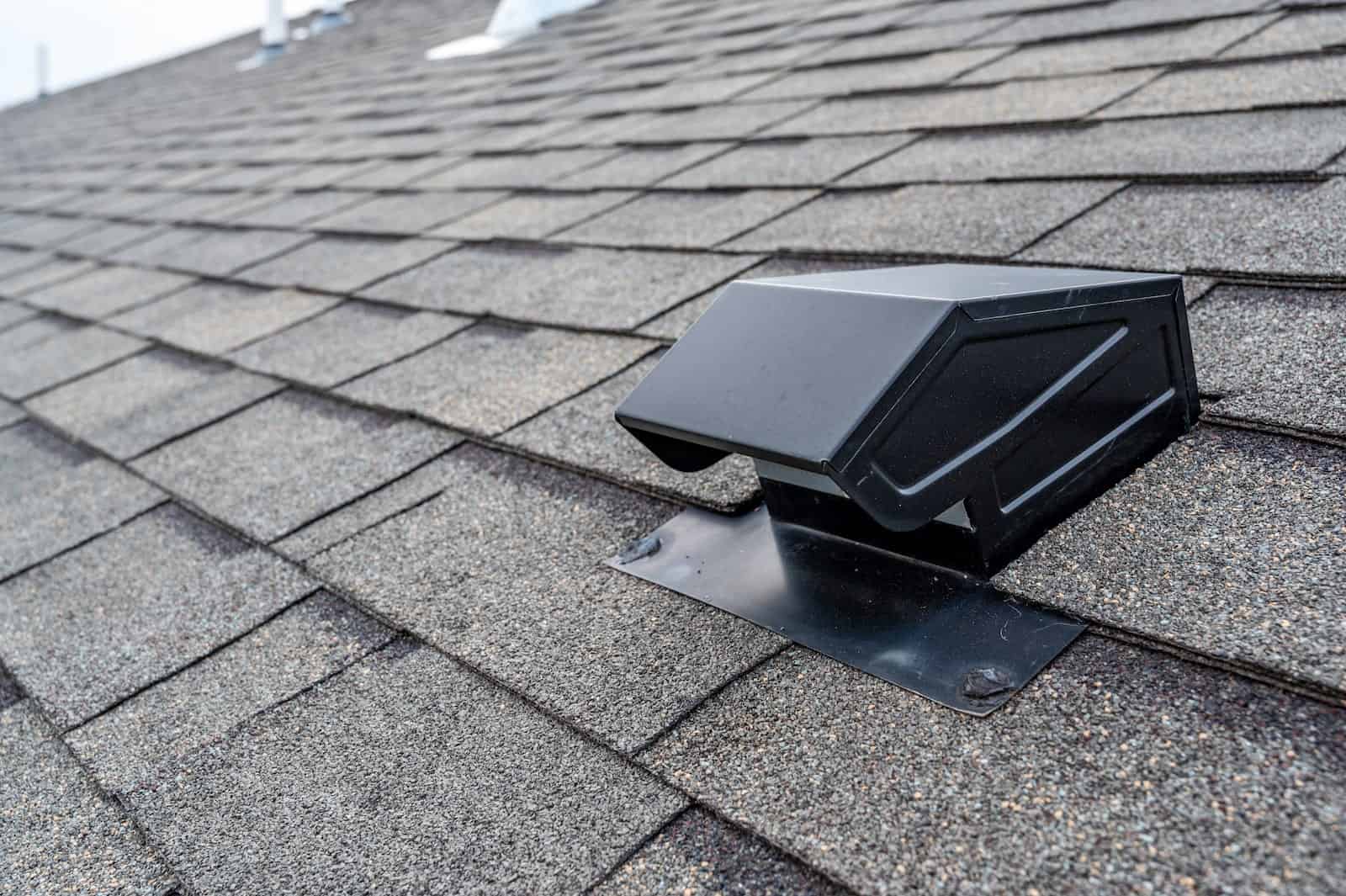
In addition to shingle damage, severe winds can also cause damage to other parts of the roof system. The flashing, which is the metal material that is installed around roof penetrations like chimneys or vents, can become damaged or completely torn off during a severe wind event. This can also create an entry point for water and cause leaks inside the home.
Strong winds can cause damage to the gutters and downspouts, which are critical for proper drainage of rainwater from the roof. The high winds can rip gutters and downspouts from the home or cause them to become detached from the roofline. This can lead to water damage to the siding or foundation of the home, as well as create potential safety hazards on the ground.
Here’s the thing….severe thunderstorms with severe winds are common throughout central and coastal Virginia. So, don’t think that this is something that only happens to your neighbors. Severe winds are a real threat.
Hail Damage
Hail is another severe weather condition that can impact your roof. Even small hailstones can cause damage to shingles, leading to granule loss, cracks, and dents. Hail damage compromises the effectiveness of your roof’s protective layer and causes leaks.
The thing is, hail damage may not be immediately visible to the untrained eye. The size and velocity of hailstones vary greatly based on the storm system they were produced in. Hail sizes range from pea-sized to large grapefruit-sized hailstones.
The impact of hailstones can cause dents or dings on shingles, which can weaken their protective granular surface, exposing the asphalt layer underneath. The loss of granules can lead to accelerated wear and tear on other parts of the roof system, such as the flashing, vents, and gutters.
In addition to visible damage, hail can also cause hidden damage to the roof structure. Hailstones can cause cracks or punctures in the shingles, which can lead to water infiltration and rot in the underlying decking, as well as insulation and interior structures. This can lead to leaks and moisture damage.
If left untreated, hail damage can result in expensive repairs or even require a complete roof replacement.
What Does Hail Damage Look Like on a Roof?
A lot of people believe that hail damage is going to look like a bunch of punctures and holes across your roof. That’s not really the case. We like to think of hail damage as something more like a bruise. A hailstone hits hard enough to knock the protective granules loose and fracture the asphalt mat underneath. But the shingle stays there, and it often looks totally undamaged. However, if you press on the spot, it will give slightly, and many of our roofing technicians like to say that if feels like a soft bruise on a fruit.
The other things to look for on the shingle include:
- Dark spots
- Random impact patterns
- Cracked or split shingles
- Shiny or exposed mat
Remember, hail damage rarely knocks off an entire shingle. And that is the reason why hail damage on a roof is often missed by people not knowing what to look for.
Signs of Hail Damage on Your Roof
While you can’t usually see obvious shingle damage after a hail storm, you can look for evidence that showed that it happened:
- Granules in your gutters and downspouts
- Dented gutters, downspouts, and drip edge
- Dinged vents, flashing, and roof caps
- Dented AC condenser fins
- Marks on window screens, siding, or a deck rail
- Dents on your car
Extreme Temperatures
Extreme temperatures, whether high or low, can impact a roof over time. Extreme temperatures can cause the materials used in the roof to expand or contract. This can cause the materials to shift or move, leading to cracks and gaps that can allow water to enter the roof and cause damage. This sort of damage is common in the early spring and late fall when the weather here in Virginia goes from the 60s to the 20s in one day.
Extreme temperatures can also impact the energy efficiency of the roof. A roof that is not properly insulated can allow heat to escape in the winter, leading to increased energy costs. In the summer, a poorly insulated roof can allow heat to enter the building, making it harder to keep the interior cool and comfortable.
Frequently Asked Questions
Can hail damage my roof even if I don’t see any obvious dents or cracks?
Yes. Hail can cause hidden structural damage, including punctures that aren’t visible. This is common and the only way to know for sure is to schedule a roof inspection.
My gutters got torn off in a windstorm — could it affect my roof too?
It can affect more than just the gutters. Severe winds that rip away gutters and downspouts can lead to drainage failures. And if water backs up on top of your roof, it can easily push down into your home or business.
Does sun exposure really damage a roof?
It’s a real factor in roof damage because UV rays cause shingles to fade, become brittle, and crack. That can lead to water reaching the decking, which speeds up roof damage. But it is important to know that sun exposure damage is a very gradual process.
Contact SlopePro to Learn More
It is important for homeowners to understand the impact that severe weather can have on their roof. Severe weather can have a significant impact on your roof.
Our roofers thought it was extra important to take time to especially explain hail damage, because that is the type of severe weather damage we really do see most of around here. If you have questions or you think that your roof has been damaged by hail or something else, contact us to schedule an inspection.